The Kaptagat Integrated Conservation Programme (KICP) continues to drive sustainable rural development by supporting farmers to adopt high-value crops such as coffee, avocado, and macadamia. These initiatives are already delivering impact—strengthening export earnings, creating employment opportunities, and improving incomes for thousands of smallholder farmers across the region.
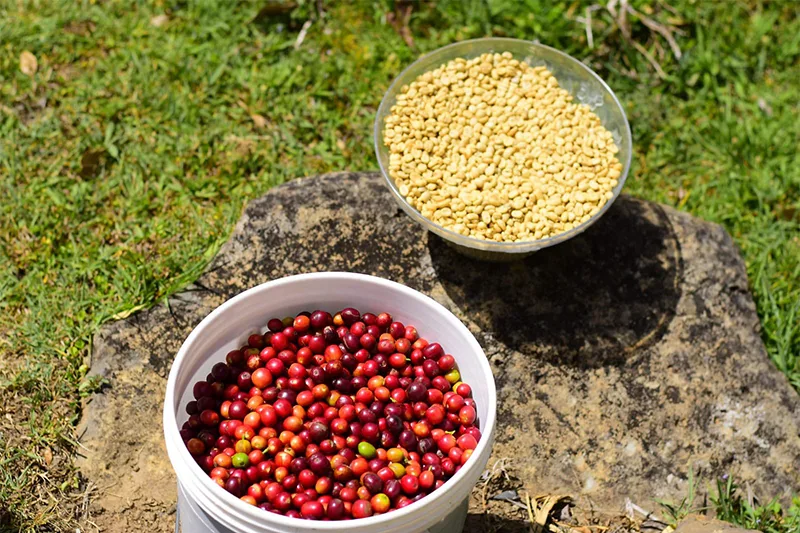
By promoting climate-smart agriculture in the hilly Kerio Valley, the programme is also helping reduce environmental degradation. Transitioning from subsistence farming on steep slopes to high-value perennial crops is playing a key role in minimizing landslides while enhancing long-term land productivity.
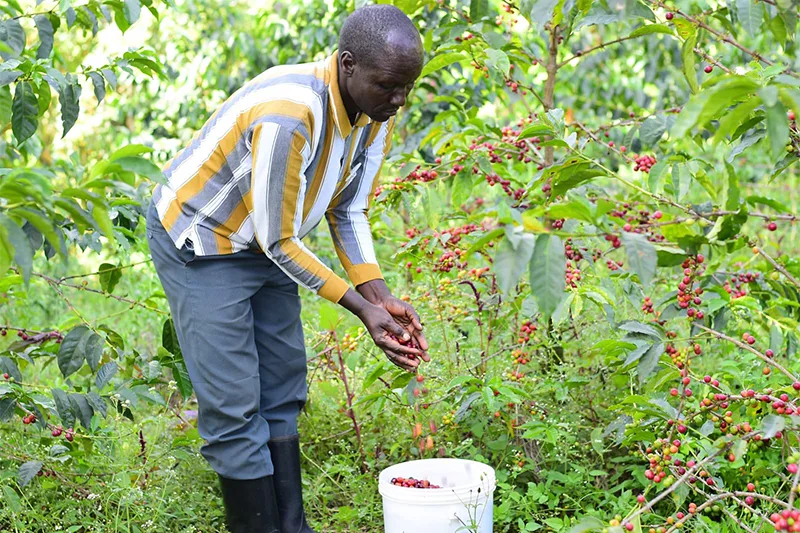
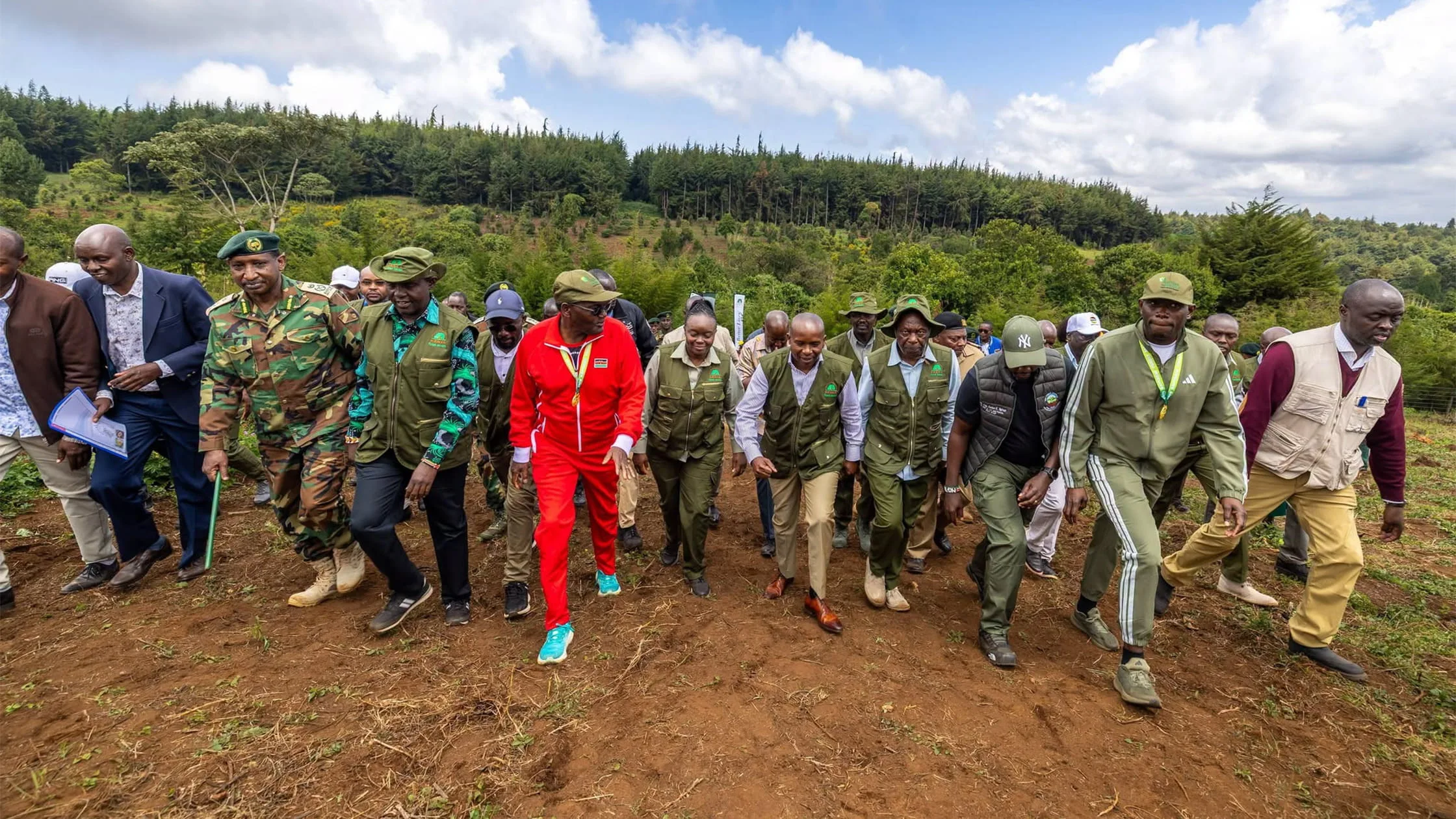
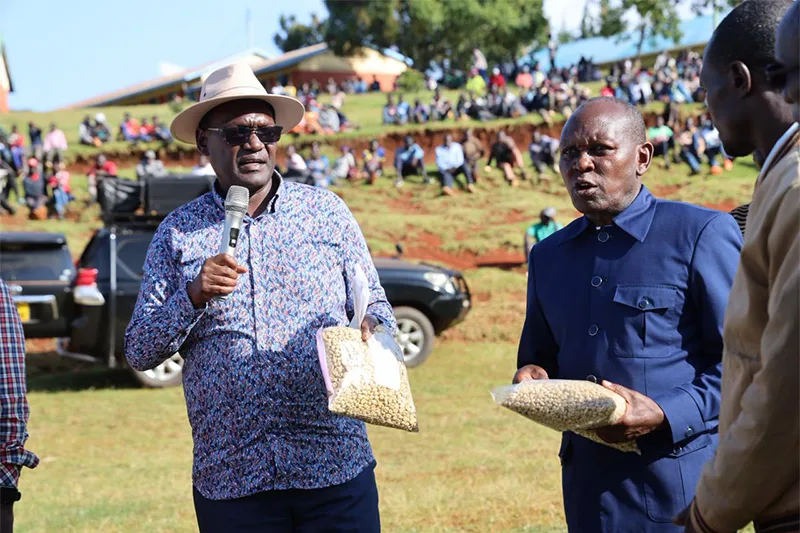
During a visit to Sergoit Village in Kamariny Ward, farmers engaged on scaling up coffee production as a competitive export crop. A tour of the local coffee nursery highlighted the growing interest in coffee farming as a viable pathway to increased household income and economic resilience.
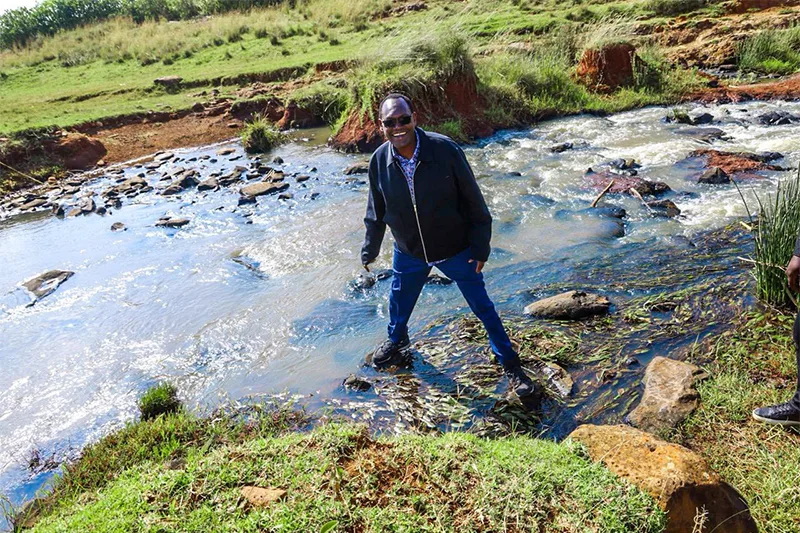
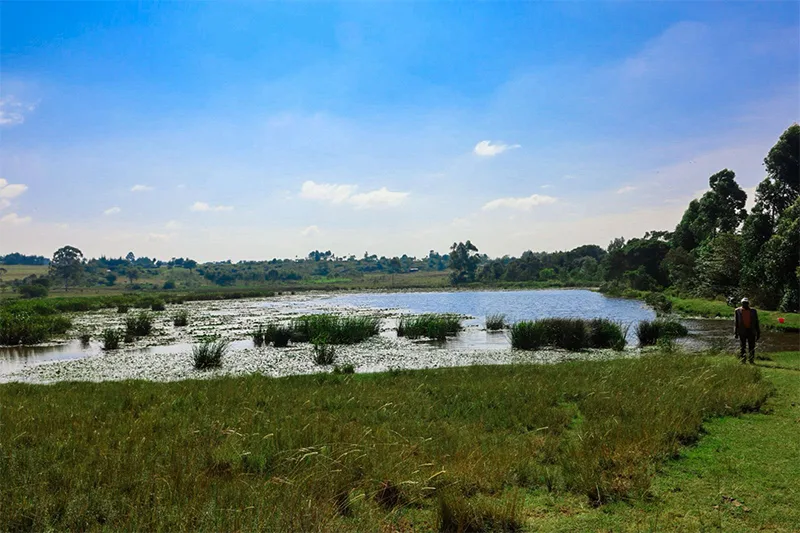
Further strengthening agricultural productivity, progress was also assessed on key water infrastructure projects. Visits were made to the proposed Karona Dam and Sosiyo Dam, both aimed at improving water access for irrigation and domestic use. In Emsoo Ward, the completed and commissioned Chebagon Dam is already delivering tangible benefits by enhancing water availability and supporting farming activities.
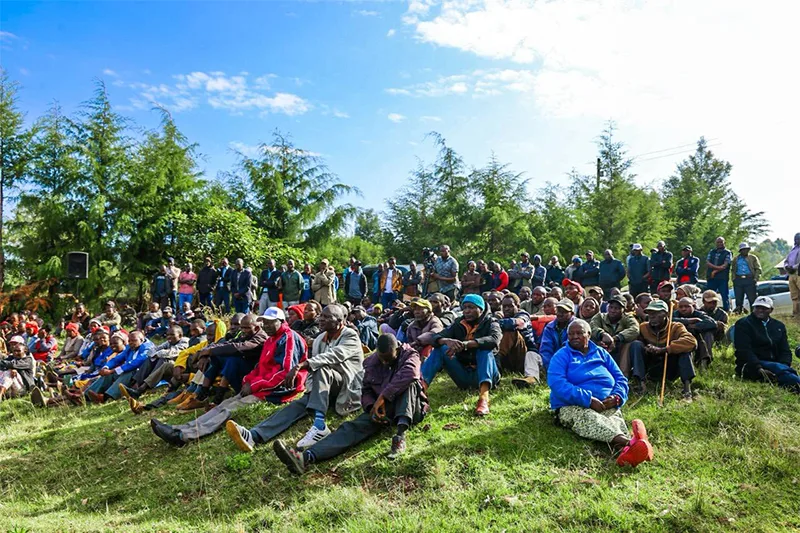
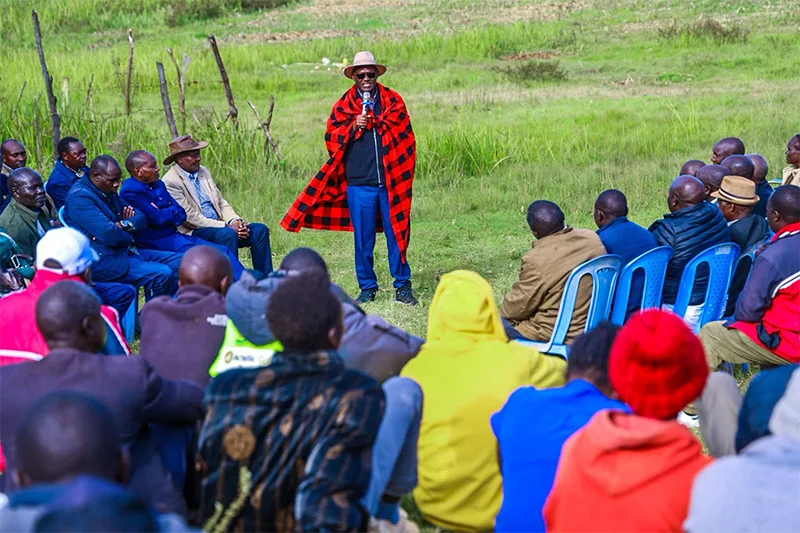
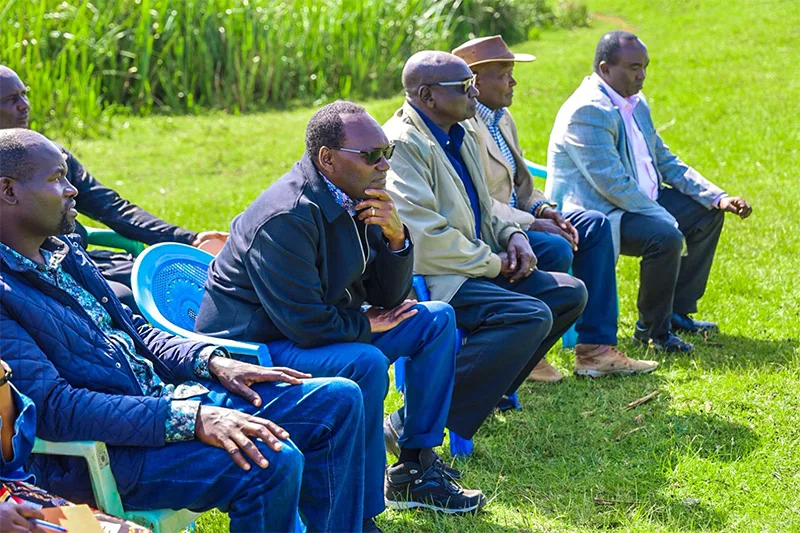
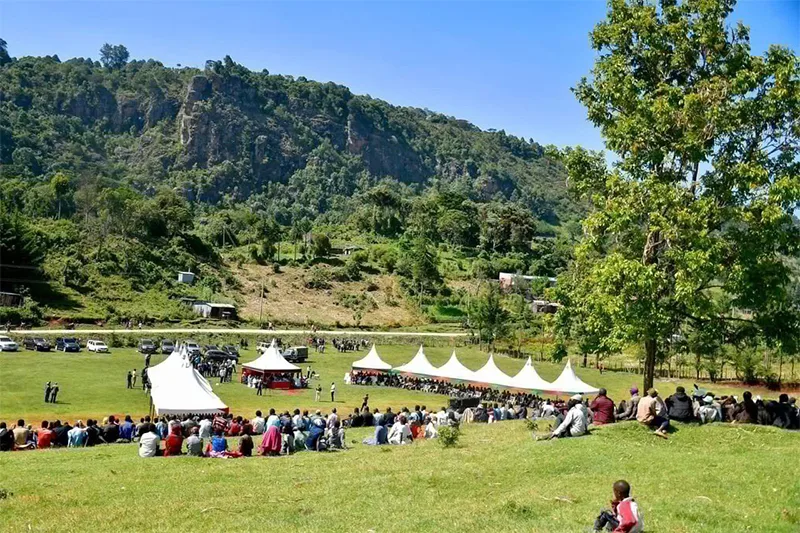
Community engagement remains central to these efforts. Together with Adams Kipsanai, discussions were held with residents of Emsoo Ward to address priority development issues, particularly access to water and practical strategies to expand economic opportunities.
Through integrated investments in agriculture, water infrastructure, and community participation, Kaptagat ICP continues to advance sustainable livelihoods, environmental conservation, and inclusive economic growth across Elgeyo Marakwet and beyond.